Commercial properties in Bellbrook face security challenges that residential buildings simply do not encounter. Equipment yards, storage facilities, industrial sites, and business campuses all require perimeter protection that deters intruders, controls access, and meets specific local code requirements. Choosing the wrong material or skipping the planning phase creates vulnerabilities that compromise the entire site within months of installation and leave property owners exposed to losses that proper planning would have prevented.
This guide walks through the most common security fencing material options for commercial Bellbrook properties, the code considerations that shape every install, and what to plan for before the first post hole gets dug into the ground on your property.
Material Options for Commercial Properties
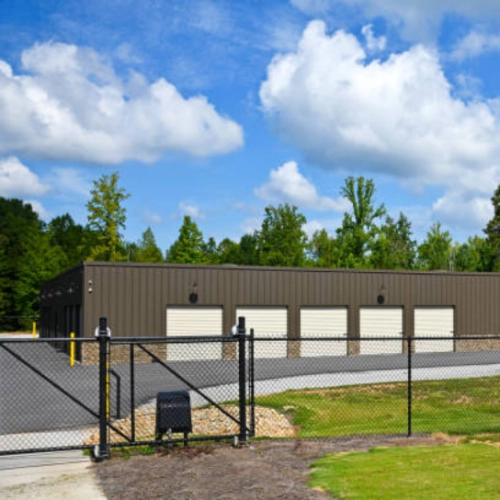
Chainlink remains the most common choice for commercial security fencing in Bellbrook thanks to its strength, affordability, and ease of installation across large perimeters. Welded wire mesh delivers a similar deterrent effect with tighter spacing that prevents climbing and resists cutting attempts more effectively than standard chainlink across most commercial applications and high-risk environments where standard mesh simply is not enough.
Ornamental iron and ornamental aluminum offer a more polished look for business campuses and customer-facing properties where appearance matters as much as protection. Vinyl, composite, and wood security fencing round out the available options, each with specific strengths depending on whether the priority is visibility, privacy, or pure barrier strength along the property line. The right material depends on the threat level, the budget, and the visual standards of the surrounding commercial corridor.
Code Considerations in Bellbrook
Bellbrook follows Ohio Building Code along with local zoning ordinances that dictate fence height, setback from property lines, and material restrictions in commercial zones. Most commercial properties allow fences up to 8 feet tall, though some industrial zones permit higher installations when paired with appropriate documentation and engineering review during the permit process. Specific neighborhoods may also have additional restrictions based on overlay districts or business association requirements that affect the final approved height and design.
Permits are required for nearly all commercial security fencing projects in Bellbrook, and the application process includes site plans, material specifications, and gate placement details. A qualified contractor handles permit acquisition from start to finish, which protects the property owner from code violations, fines, and the costly rework that follows any failed inspection. Skipping the permit process also creates problems during future property sales, refinancing, and insurance reviews.
Planning Gates and Site Preparation
Gate placement is one of the most important decisions in any commercial security fencing project. Slide gates and cantilever gates handle high-traffic vehicle entries, while barrier arm gates work for parking lot perimeters where vehicles need quick controlled access. Pedestrian gates, rolling gates, and chain link gates round out the options for foot traffic, service entries, and emergency access points around the perimeter where different traffic types need their own dedicated routes.
Site preparation matters as much as the fence itself. Excavation, post installation, and proper grading determine whether the fence sits plumb and straight for decades or shifts within the first few seasons. A contractor experienced in commercial security fencing handles the full site preparation process, including any clearing, leveling, and drainage work needed before the posts go in. Poor site prep is one of the most common causes of commercial fence failure in Ohio, and it shows up within the first two winters after a rushed install.
Long-Term Durability and Maintenance
Commercial security fencing in Bellbrook faces constant exposure to Ohio weather, including freeze-thaw cycles, heavy rain, and the occasional ice storm that stresses every connection point across the perimeter. Material choice affects how the fence handles these conditions, with galvanized steel chainlink and aluminum holding up best in unprotected outdoor applications across the region thanks to their corrosion resistance and structural strength under load.
Wood and composite materials work well in commercial settings where appearance and privacy matter, though both require closer attention to ground contact and moisture exposure during the planning phase. Ornamental iron and aluminum systems carry powder-coated finishes that resist corrosion for 20 years or longer, making them the premium choice for commercial properties where long-term low maintenance is a priority and where the visual standard needs to remain consistent for the life of the building.
Choosing the Right Contractor for the Job
Commercial security fencing is not a project for a residential crew or a general handyman. The scale, the code requirements, the gate complexity, and the permit process all demand a contractor with specific commercial experience and the right equipment to handle large-scale excavation, post installation, and material handling across an entire property perimeter at one time. The wrong contractor can stretch a 3-week job into a 3-month nightmare with budget overruns and inspection failures along the way.
Ask any prospective contractor about their commercial experience, their permit handling process, their warranty coverage, and how they manage gate fabrication and installation before signing a contract. For expert commercial security fencing installation in Bellbrook and across the surrounding Ohio communities, contact Tom’s Mulch Fence & Deck at (937) 426-8300 to schedule a consultation and protect your commercial property the right way.