Choosing a fence for your Miami Valley home is a big decision that affects your property’s security, privacy, curb appeal, and long-term value. Two of the most popular options homeowners consider are aluminum and vinyl, and while both are excellent choices, they serve very different purposes and deliver very different results. Understanding the strengths and trade-offs of each material will help you make a confident decision that fits your lifestyle, budget, and property. Whether you’re leaning toward an aluminum fence for its classic elegance or vinyl for its privacy and low maintenance, this guide will walk you through everything you need to know.
Understanding the Basics
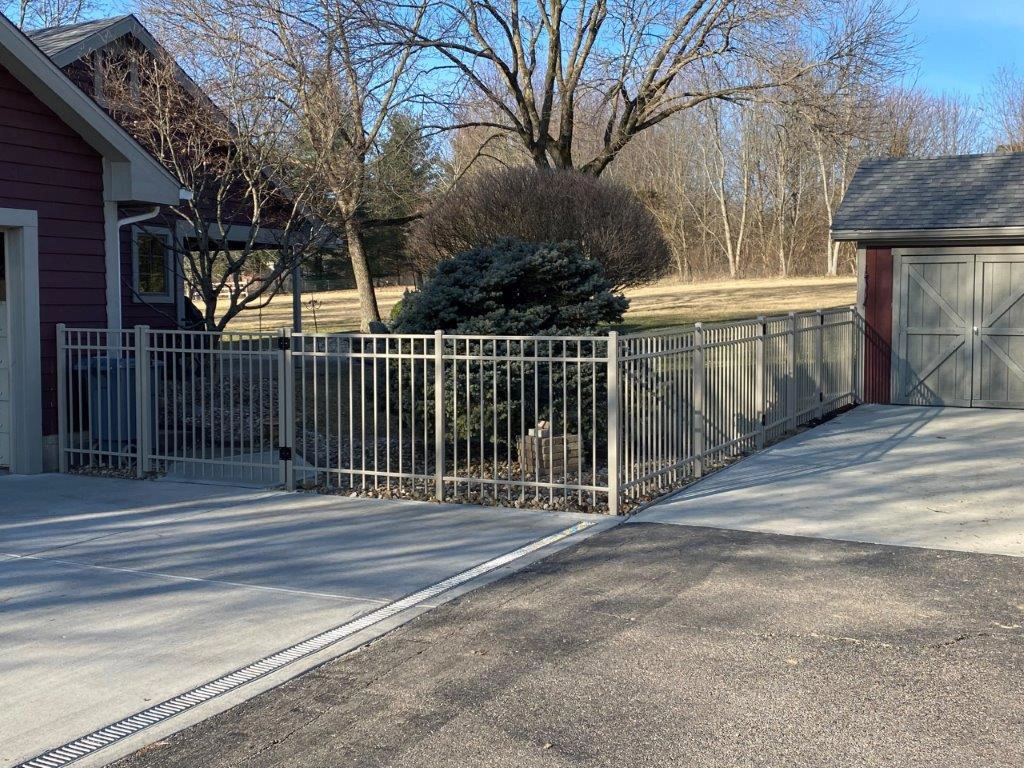
An aluminum fence is made from lightweight, rust-proof metal that’s designed to mimic the look of traditional wrought iron. It features vertical pickets, decorative finials, and clean lines that give any property an upscale, polished appearance. You’ll find it framing front yards, pool areas, and garden beds across the Miami Valley where style and openness matter most.
Vinyl fencing is made from PVC, a strong synthetic material that comes in a wide variety of styles, from solid privacy panels to picket and semi-private designs. It’s known for being virtually maintenance-free, resistant to rot, insects, and moisture, and available in colors that won’t fade or peel over time. For homeowners who want a clean, uniform look with minimal upkeep, vinyl is a natural choice.
Privacy and Security
This is one of the biggest differences between the two options. Vinyl fencing excels at providing privacy because it comes in solid panel designs that completely block the view from outside. If you want to create a secluded backyard retreat where you can relax without neighbors or passersby seeing in, vinyl is the clear winner for that purpose.
An aluminum fence is an open-style barrier, meaning it provides security and boundary definition without blocking sightlines. That openness works beautifully for front yards, pool enclosures, and properties with scenic views you don’t want to hide. While it won’t give you privacy, an aluminum fence delivers excellent security thanks to its strong pickets and tamper-resistant design.
Durability in the Miami Valley Climate
Ohio weather can be tough on outdoor structures, and the Miami Valley is no exception. Hot, humid summers, freezing winters, ice storms, and constant moisture from rain and snow all test the limits of any fencing material. Both aluminum and vinyl handle these conditions well, but in different ways.
An aluminum fence won’t rust, rot, or warp regardless of how much moisture it’s exposed to, making it an excellent choice for Ohio’s wet seasons. Vinyl is equally resistant to moisture and won’t crack, peel, or deteriorate under normal conditions. However, extreme cold can make lower-quality vinyl brittle over time, so investing in a premium grade product is important for Miami Valley homes that face harsh winters.
Maintenance Requirements
Both materials are low-maintenance favorites, which is a big reason they’ve become so popular across the Miami Valley. An aluminum fence needs little more than an occasional rinse with a garden hose to remove dirt and debris. Its powder-coated finish resists fading, chipping, and corrosion, so you won’t spend weekends repainting or treating it.
Vinyl is equally easy to care for. A quick wash with soap and water keeps it looking fresh year after year, and it never needs staining, sealing, or painting. For busy homeowners who want a great-looking fence without the ongoing upkeep that wood demands, either option delivers hassle-free performance.
Curb Appeal and Aesthetics
Style is where personal preference really comes into play. An aluminum fence offers a refined, elegant look that pairs beautifully with brick homes, landscaped gardens, and traditional architecture. Its sleek lines and decorative options like scrolls, rings, and finials add character without overwhelming the property. Many homeowners choose an aluminum fence specifically because it enhances curb appeal while keeping the yard feeling open and inviting.
Vinyl delivers a clean, uniform appearance that works well with a wide range of home styles. White vinyl picket fences evoke classic American charm, while tan or gray privacy panels offer a modern, streamlined look. Vinyl won’t fade, yellow, or discolor over time, so whatever color you choose on day one is the color you’ll enjoy for decades.
Cost Considerations
Budget is always a factor, and there’s a noticeable difference in pricing between these two materials. Vinyl fencing generally costs more per linear foot than aluminum, especially for tall privacy panel styles. The thicker the panel and the taller the fence, the higher the price climbs.
An aluminum fence is typically more affordable upfront, particularly for decorative and pool-code styles. However, total project cost depends on factors like fence height, property size, terrain, and gate requirements. A reputable contractor can provide itemized estimates for both options so you can compare real numbers based on your specific property.
Which Option Is Right for You?
Choosing between aluminum and vinyl comes down to what matters most for your property and lifestyle. If privacy is your top priority, vinyl is the obvious choice. If you want an elegant, open design that adds curb appeal and defines your boundaries with style, an aluminum fence is hard to beat. Some Miami Valley homeowners even combine both, using vinyl along the back and sides for privacy and an aluminum fence across the front for that classic, welcoming look.
At Tom’s Mulch Fence & Deck, we’ve been helping Miami Valley homeowners choose and install the perfect fencing solutions for years. Whether you’re drawn to the elegance of an aluminum fence, the privacy of vinyl, or a strategic combination of both, our team is ready to guide you through every step. Call us today at (937) 426-8300 for a free consultation and personalized quote.